An excellent coffee routine starts long before the kettle clicks. It begins with beans that get here fresh, in packaging you do not really feel guilty throwing in the recycling container. For many years, those two objectives clashed. Oxygen eliminates coffee quality, and plastic-lined bags are wonderful at obstructing air and dampness. They're not so great for the world. The sector is lastly finding a far better equilibrium. If you desire Coffee Beans Delivered without the garbage dump hangover, you have options that do not trade flavour for conscience.
I run a tiny toasting procedure that ships throughout Australia, and I've examined everything from foil-lined pouches to compostable films and refillable tins. I've torn open joints, over used zipper seals, mailed example packs via summer season heat, and examined grind sizes with a refractometer after two weeks en route. Recyclable product packaging can meet the basic if you value the scientific research. The method is understanding what to request, what to prevent, and how to deal with the beans once they arrive.
Freshness is physics, not marketing
The minute coffee leaves the roaster, it gives off carbon monoxide ₂. That gas safeguards flavour for a day or more, then ends up being a problem. Beans remain to outgas for approximately two weeks. Good bags utilize a one-way shutoff that lets carbon monoxide two out and keeps oxygen from sneaking in. For decades, roasters depend on plastic-aluminium laminates since they were economical, printable, and nearly nonporous. The trouble: combined products gum up reusing streams.
Recyclable materials are improving, yet they behave in different ways. Mono-material polyethylene and polypropylene can strike reputable oxygen transmission rates if you pick the best density. Paper with a bio-based liner really feels natural and looks kind, yet typically struggles with wetness. Compostable films are promising yet still picky, specifically in moist environments. If you want Coffee Beans Delivery that appears sampling like the roast you bought, the packaging option has to match your shipping conditions.
I take a look at three numbers when I check a bag: oxygen transmission price, moisture vapour transmission price, and seal strength. If oxygen creeps past 1 to 2 cc/m TWO/ day at 23 ° C, you take the chance of stale notes by week two. If wetness transmission runs high, you obtain level crema and dulled aromatics. Seal toughness matters due to the fact that messenger networks penalize weak joints, and a jeopardized seal beats every other metric. Recyclable alternatives can strike the mark, however you have to specify them with the very same roughness you use when picking an eco-friendly lot from Ethiopia or Papua New Guinea.
What recyclable truly means
"Recyclable" is just one of those words that slides around depending upon neighborhood framework. In Australia, kerbside programs accept inflexible paper and cardboard almost everywhere, glass commonly, and plastics with clear resin IDs inconsistently. Versatile soft plastics are the grey area. The return-to-store programs lots of people relied on halted, reactivated in pockets, and continue to be patchy. If you deliver nationwide, you need a packaging strategy that doesn't presume a client will certainly drive across town to a specialized drop-off.
There are four convenient routes for Coffee Beans Delivered Australia that minimize waste without endangering quality.
- Kerbside recyclable paper-based bags with a plant-based obstacle: These are paper outers with a thin bio-liner. They look terrific and are simple for clients to recycle. Trade-off: the obstacle usually underperforms in damp or hot conditions, and shutoffs sometimes leakage. Best for cooler months, short transits, and clients who take in within 10 days. Mono-material recyclable plastic pouches (PE or PP) with a one-way shutoff: Not stunning, but they secure beans well and can be reused where soft plastic programs exist. Trade-off: access to soft-plastic recycling is irregular partially of Australia, and some councils will not accept them at kerbside. Best for lengthy transits or climates where moisture spikes. Refillable tins or containers with linerless, oxygen-tight covers: Customers maintain the tin, you deliver refills in light-weight recyclable sachets. The tin shields coffee in your home, and you reduced bulk packaging. Trade-off: greater in advance expense and somewhat more complexity in logistics. Best for registrations and cafes. Glass containers for local distribution: Glass is definitely recyclable, and customers like seeing the beans. Trade-off: weight, breakage danger, and higher discharges per distribution over long distances. Best for bike messenger zones and click-and-collect.
If you're picking as soon as for a national customer base, mono-material plastic with a well-engineered shutoff is the most durable. If your clients rest within a couple of postal codes, refillable tins or glass plus local delivery sing.
The oxygen trouble and just how we resolve it without foil
Foil-lined bags win due to the fact that aluminium blocks practically whatever. To hit comparable performance with recyclable packaging, we readjust procedure, not simply material. I lean on three tactics.
First, degas strategically. Coffee comes to a head between day four and day ten for many filter roasts, a hair later for dense coffee roasts. Pack ahead of time and carbon monoxide two stress can swell soft bags and tension seals. Load far too late and the oxygen you trap inside the bag injures you greater than the oxygen exterior. I generally relax 12 to 24 hours post roast for filter beans, 24 to 36 hours for coffee. That window gives the valve a mild task and maintains caught oxygen lower.
Second, displace headspace. If you can not manage nitrogen flush devices, you can still minimize oxygen by filling the bag as complete as it safely permits. Much less headspace amounts to much less oxygen. On a small line, I established fill volumes to leave at many 1 to 2 cm below the zipper for 250 g bags and concerning 3 centimeters for 1 kg bags.
Third, treat the seal like a brew specification. I call in time, temperature level, and stress on the band sealer for every bag type. I run peel tests weekly. If a seam stops working below about 1.5 kgf for a 10 mm seal, it will certainly pop in transportation. Recyclable products occasionally need an additional degree of warmth or a narrower window to prevent brittle seals, specifically theoretically laminates. A valve that passes vacuum testing and a seam that holds under compression are your real insurance policy policies.
Australia's cross countries and harsh routes
Coffee Beans Shipment Australia deals with an one-of-a-kind restraint: roadways and warmth. Sending a 1 kg bag from Melbourne to Darwin can mean 3 days in warm trucks and a last leg over corrugations that tremble powder from the really lower of the bag into the zipper track. If grain dust strikes the closure, oxygen sneaks in.
I ship with secondary defense for summer routes. A slim recyclable mailer maintains direct sunlight off the bag. It adds a couple of grams, but it reduces peak inner temperatures. I likewise stay clear of overtight zippers that break under vibration. You would certainly be surprised how frequently a dainty pull-tab is the weak spot on an otherwise well-engineered pouch.
Heat also speeds up diffusion. Think about it like leaving a container of bitters in the glovebox. Also a decent barrier lets a lot more through at 35 ° C. For customers in the tropics or throughout heat waves, I recommend shorter order cycles. Weekly 250 g shipments beat a regular monthly kilo if you respect crema and top notes. Membership platforms make that easy to automate, and the product packaging impact often reduces because lighter parcels load tighter in transit.
How recyclable packaging adjustments flavour windows
The enchanting component of coffee is the fragrance that punches when you fracture a bag. Packaging controls when that minute occurs and how long it lasts. In recyclable paper-laminate pouches, filter roasts open strongly at day five, shimmer with day 8, after that coast down gradually. With mono-material plastic, the arc stretches by a number of days. Coffee is one more story. Tougher bags aid maintain CO ₂ in check, which tames spiky shots by day seven to 10 and holds body with week three.
When we relocated a washed Kenyan AA from foil-lined to recyclable PE pouches, cuppers flagged a slight loss of blackcurrant punch after day 10 in summer. The fix had not been to switch back to foil. We shortened the on-bag "ideal after" and took care of roast development half an indicate boost mid-palate sweet taste. Completion result tasted much better on days 5 through 9, which is when most subscribers opened up the bag anyway.
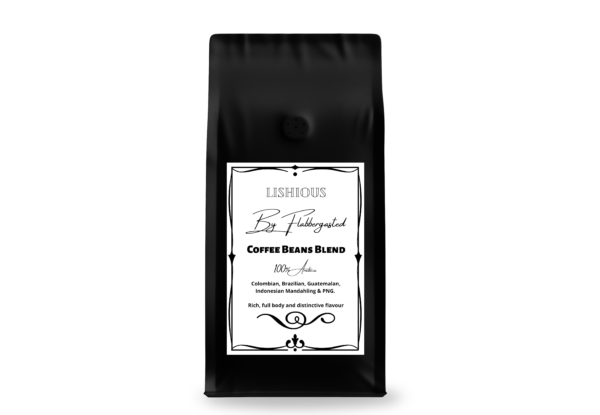
Packaging is a device. It bends the curve, however the roast and your delivery tempo finish the job.
The price conversation, honestly
Recyclable pouches can run 10 to 25 percent more per unit than blended laminates at reduced quantities. Include print plates or custom-made valves and the cost rises once again. That's the surface area tale. If you factor stayed clear of charges for specialty soft-plastic collection, less grievances regarding stale beans, and the marketing clarity of "recyclable in your container" for paper-laminate formats, the formula shifts.
I procedure price per mixture, not per bag. A 250 g pack returns about 12 to 15 mugs in your home strength. If a better bag prevents staling that would certainly have sent out 2 mugs down https://jsbin.com/vuvidocini the sink or right into the French press as an afterthought, the product packaging spent for itself. On wholesale, the maths is even clearer. A café that draws 60 shots from a kilo desires consistency on day one and day seven. If the bag aids them stay clear of recalibrating dial-ins every morning, they stick with your beans.
I will not claim there aren't edge cases. For a roaster shipping periodic orders to remote areas, the rate premium strikes harder. Partner with a nearby roaster for satellite deliveries or lean right into refill tins to amortize the up front package across lots of refills. Where freight is the largest price driver, shaving cubic quantity with slimmer mono-material bags can balance out the device price.
Real-world examinations that matter
Lab specs are fantastic, yet I rely on mug examinations. I run combined deliveries: exact same roast, different bags, same location. I track delivery time, bag temperature on arrival by means of an easy thermal sticker, and TDS variance across the week of usage. If the recyclable bag keeps extraction yields within 0.2 percent of the control and the scent notes hold past day seven, it's a keeper.
One winter months, we shipped a natural-process Colombian to Hobart in paper-bio laminate with a compostable valve. Bags made it through, flavour sang. Summer was various. Humidity increased, and a couple of customers reported ugly zippers. We swapped to a mono-PE pouch with a durable shutoff for December via March and changed back when dew points fell. Seasonal product packaging is a tiny operational migraine, however it lets you maintain Coffee Beans Delivered Australia sampling like the cupping table promised.

Subscriptions, refills, and the art of less trucks
The greenest parcel is the one you don't ship. That seems glib, but it leads to sensible steps. A refill model cuts worldly volume by half or more and minimizes failed-delivery redirections. We release a durable tin with a gasket and a printed degassing overview. Refills show up in slim recyclable sachets that glide into the tin. No clacking shutoffs, no blown-out side gussets. Consumers love the ritual of putting fresh beans into a tin that lives next to the grinder. It likewise tightens quality, because the tin lowers oxygen direct exposure after opening.
For city centres, we run a regular run with an e-cargo bike for cafés and high-density apartment or condos. Glass jars end up being practical in that zone, and returns come back in the very same milk-crate we deliver in. For external residential areas and regional New South Wales, the refill pouches and mono-material bags take control of. The system flexes by postcode, not by ideology.
How to shop smart as a customer
You're handing over your early morning routine to a bag you haven't fulfilled yet. Ask a couple of pointed questions and you'll separate roasters that have actually done the job from those riding a trend.
- What exactly makes your bag recyclable, and exactly how should I reuse it where I live? If the answer dances around kerbside fact, they haven't lined up packaging with infrastructure. Do your bags have one-way shutoffs, and do you change rest times by period? Silence here typically associates with stagnant arrivals. What's your recommended home window to drink the coffee after roast date for filter and for espresso? Particular arrays reveal they cup post-pack and track performance. Do you use fill up choices or packaging that fits my council's recycling rules? This reveals whether they believe past the unboxing. How do you secure beans throughout warm front? A clear strategy defeats wishful thinking when January hits 40 ° C.
Any roaster serious regarding Coffee Beans Delivery will certainly invite those concerns. The best ones will share failures alongside solutions, due to the fact that every product has actually quirks.
Brew method and product packaging, an underappreciated link
The means you make can conceal or expose what packaging protects. Coffee is ruthless, specifically on intense, high-grown coffees. If your bag let in moisture, you'll see a multicolor circulation and wandering shot times as humidity battles grind. On filter, staling mutes florals initially, after that level of acidity. You can promote quality by grinding finer and nudging water to 96 ° C, but you'll never resurrect unstable aromatics.
I construct brew overviews that align to packaging. For paper-bio bags, I suggest consuming alcohol filter roasts in between day four and day 10, with a dish that leans on a somewhat greater proportion to allow the staying aromatics sing. For mono-PE, I expand the home window and allow people ride day twelve happily. On coffee, I steer customers to a two-stage dial-in: initial taste on day seven, then lock a profile on day 10 when carbon monoxide two has resolved. These nudges matter as much as the valve you choose.
The visual appeals problem and why it is solvable
Recyclable plastic bags seldom look as premium as a matte aluminum foil bag with crisp edges. That matters for retail racks and presents. We learned to make within the material's toughness instead of retrofitting a foil visual. High-contrast inks, small line art, and sincere joints beat faux-metal finishes that scuff en route. Paper-laminate pouches photo magnificently and interact sustainability without shouting. If your brand depends upon shiny metallics, a refill tin brings the premium look while the refill sachets do the silent, recyclable work.
The vendor discussion roasters must have
If you roast at any kind of range, be requiring with packaging suppliers. Request full obstacle data, not simply a pamphlet. Request four-seal examples and abuse them. Examination valves with a vacuum pump and a leakage detector fluid after a week in a warmed box. Promote resin IDs published plainly, and for zipper designs that stand up to fines in the track. Distributors that can provide lot-level traceability for products and shutoffs assist you rest far better when a carrier stacks 25 kg boxes on your pouches.
It is appealing to go after a compostable label. I like the idea and use it for some inner linings. Yet, most Australian households do not have accessibility to appropriate industrial composting. Home compostable claims usually break down in best home conditions, not in the real world of completely dry winter months lots and informal switching. If you go compostable, be accurate regarding disposal and expect to area inquiries. Done poorly, it moves sense of guilt from container to backyard.
The bigger picture: transport emissions and roast choices
Packaging is a slice of your footprint. Delivery emissions dwarf it as soon as you ship past your city. Two levers stay in your hands. Initially, densify shipments with right-sized boxes and slip mailers that eliminate vacant air. Second, roast for security without flattening character. A somewhat much deeper roast on a delicate Ethiopian may endure a lengthy road trip and still dazzle, where a whisper-light profile could get here shy and never wake up.
I do not suggest for boring coffee. I argue for honesty regarding trip threats. If a customer in Kalgoorlie orders a delicate anaerobic micro-lot, I flag expected alcohol consumption windows and could deliver via share with a tiny ice bag during a warm spike. That pack is not recyclable, and I do not act it is. I use it moderately and describe the compromise. Sustainability is not a costume you put on when. It is a collection of selections with genuine consequences.
Where the sector is heading
Three growths will certainly make recyclable product packaging the default rather than the exception. Initially, larger accessibility to kerbside soft-plastics reusing, preferably with clear bookkeeping and residential handling. Second, far better mono-material barriers that narrow the performance space to aluminum foil without including cost. Third, refill ecological communities that really feel very easy, not preachy. When a consumer can tap"re-fill "in a membership portal and see the waste and emissions conserved over 6 months, the behavior sticks.
Meanwhile, roasters that treat packaging with the same regard as green purchasing will win. If you're marketing Coffee Beans Delivery Australia, back it up with product choices that fit your lanes, weather, and consumer cadence. Do not opt for a pretty bag that fights your climate.
A sensible path for home makers and roasters
You do not require a PhD in polymers to obtain this right. Begin with one clear concept: match the defense to the journey and be specific concerning disposal. If you are a home buyer, look for roasters who release roast days, advise drinking home windows, and name the product packaging material clearly. If you roast, pilot recyclable pouches in your most safe paths initially, gather feedback, and broaden with seasonal modifications. Track returns and staling complaints, not just unit costs.
Coffee is entitled to better than greenwashed pledges. It additionally is entitled to better than stale cups compromised to a recycling sign. The pleasant spot exists. I've watched clients open a mono-material bag on day eight and smile at the aroma thrill from a cleaned Burundi that preferences like pink grapefruit and caramel. I've stood in a coffee shop where refill tins line the rack like trophies, each one a small refusal to lose more plastic. Those minutes justify the screening, the mid-summer modifies, and the frank discussions concerning limits.
If you want Coffee Beans Delivered or Coffee Beans Delivery that respects both taste and world, choose roasters and product packaging that tell a coherent tale. Ask for recyclable where it truly reuses. Need a shutoff that functions. Welcome refills when they're offered. And treat quality as something you participate in, not just something a warehouse guarantees.
The incentive is basic: a mug that tastes to life, and a bin that does not fill with regret.
